

Coronary Angioplasty
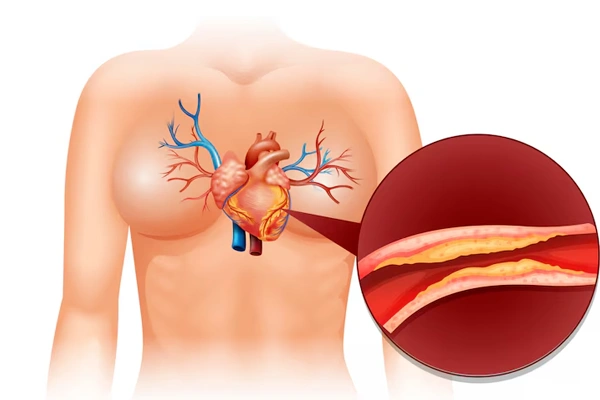
Coronary artery disease is one of the most common causes of heart attacks and chest pain. When the arteries supplying blood to the heart become narrowed or blocked due to plaque buildup, timely treatment is essential to restore blood flow and prevent serious complications. At Cardiology Services, located at, Dwarka, we provide advanced Coronary Angioplasty in Dwarka using the latest interventional cardiology techniques. Our goal is to safely open blocked arteries, relieve symptoms, and improve long-term heart health.
Coronary Angioplasty, also known as Percutaneous Coronary Intervention (PCI), is a minimally invasive procedure that restores blood flow through narrowed or blocked coronary arteries. With experienced cardiologists and modern technology, we ensure precise treatment, faster recovery, and personalized care for every patient.
What is Coronary Angioplasty?
Coronary Angioplasty is a non-surgical procedure performed to treat blocked or narrowed coronary arteries. During the procedure, a thin catheter with a small balloon at its tip is inserted through the wrist or groin and guided to the blocked artery. The balloon is inflated to widen the artery, and in most cases, a stent (a small mesh tube) is placed to keep the artery open and maintain proper blood flow.
Angioplasty is commonly recommended for patients with coronary artery disease, severe chest pain (angina), or those experiencing a heart attack. It helps restore oxygen-rich blood to the heart muscle and significantly reduces the risk of future cardiac events.
Who Needs Coronary Angioplasty?
Your cardiologist may recommend coronary angioplasty if you have:
- Significant blockage in one or more coronary arteries
- Persistent chest pain (Angina)
- Acute heart attack (Myocardial Infarction)
- Reduced blood flow to the heart
- Abnormal coronary angiography findings
- Coronary artery disease not controlled with medications
- Recurring symptoms after previous angioplasty
- High-risk coronary artery narrowing
Conditions Treated with Coronary Angioplasty
Coronary angioplasty is effective in treating:
- Coronary Artery Disease (CAD)
- Blocked Heart Arteries
- Stable Angina
- Unstable Angina
- Acute Heart Attack
- Multi-Vessel Coronary Disease
- Restenosis (Re-narrowing of Arteries)
- Reduced Coronary Blood Flow
How is Coronary Angioplasty Performed?
Initial Assessment
The cardiologist evaluates your symptoms, medical history, coronary angiography results, blood tests, and overall health before planning the procedure.
Catheter Insertion
A thin catheter is inserted through the radial artery (wrist) or femoral artery (groin) under local anesthesia.
Balloon Angioplasty
The catheter is advanced to the blocked artery, where a small balloon is inflated to widen the narrowed section and restore blood flow.
Stent Placement
A drug-eluting or bare-metal stent is usually placed to keep the artery open and reduce the risk of future blockage.
Completion & Recovery
After confirming good blood flow through imaging, the catheter is removed, and the patient is monitored for a short period before discharge.
Benefits of Coronary Angioplasty
Choosing Coronary Angioplasty in Sector 19 Dwarka offers several benefits:
- Restores normal blood flow to the heart
- Relieves chest pain and discomfort
- Reduces the risk of heart attack
- Minimally invasive treatment
- Short hospital stay
- Faster recovery compared to open-heart surgery
- Improved heart function
- Better exercise tolerance
- Enhanced quality of life
- Long-term symptom relief
Recovery After Coronary Angioplasty
Recovery after coronary angioplasty is generally quick. Most patients are discharged within one or two days, depending on their condition.
After the procedure, patients should:
- Take prescribed medications regularly.
- Keep the catheter insertion site clean and dry.
- Avoid heavy lifting for several days.
- Drink adequate water unless advised otherwise.
- Follow a heart-healthy diet.
- Attend scheduled follow-up visits.
- Begin cardiac rehabilitation if recommended.
Most individuals can resume normal daily activities within a week, depending on their recovery and the advice of their cardiologist.
Lifestyle Changes After Angioplasty
Successful angioplasty should be followed by healthy lifestyle habits to reduce the risk of future blockages.
Recommended lifestyle modifications include:
- Eat a low-fat, low-salt diet.
- Exercise regularly as advised by your doctor.
- Maintain a healthy body weight.
- Quit smoking and tobacco use.
- Control blood pressure and cholesterol.
- Manage diabetes effectively.
- Reduce stress through yoga or meditation.
- Take medications exactly as prescribed.
- Schedule routine heart check-ups.
Why Choose Cardiology Services in Sector 19 Dwarka?
At Cardiology Services, we are committed to providing safe, effective, and patient-focused cardiac interventions.
Our clinic offers:
- Experienced interventional cardiologists
- Advanced PCI and stent placement techniques
- Modern cardiac diagnostic facilities
- Personalized treatment plans
- Comprehensive pre- and post-procedure care
- Patient-centered approach
- Evidence-based cardiac treatment
- Convenient location in Sector 19, Dwarka
We focus on delivering high-quality cardiovascular care that helps patients recover faster and enjoy a healthier life.
When Should You Seek Immediate Medical Care?
Seek emergency medical attention if you experience:
- Sudden severe chest pain
- Pain radiating to the arm, jaw, neck, or back
- Difficulty breathing
- Cold sweats
- Loss of consciousness
- Persistent chest discomfort lasting more than a few minutes
Early angioplasty during a heart attack can save heart muscle and significantly improve survival.
Frequently Asked Questions (FAQs)
1. What is coronary angioplasty?
Coronary angioplasty is a minimally invasive procedure that opens blocked heart arteries using a balloon and usually places a stent to restore blood flow.
2. Is coronary angioplasty the same as open-heart surgery?
No. Angioplasty is a catheter-based, minimally invasive procedure and does not require opening the chest.
3. How long does coronary angioplasty take?
The procedure generally takes 30 to 90 minutes, depending on the number and complexity of blockages.
4. Is angioplasty painful?
The procedure is usually painless because it is performed under local anesthesia. Patients may feel mild pressure but not significant pain.
5. How long is the recovery after angioplasty?
Most patients return to normal daily activities within 5–7 days, depending on their overall health and recovery.
6. Will I need medication after angioplasty?
Yes. Your cardiologist will prescribe medications, including blood thinners and other heart medicines, to protect the stent and maintain heart health.
7. Can arteries become blocked again after angioplasty?
Although modern drug-eluting stents reduce the risk, healthy lifestyle changes and regular medications are important to prevent future blockages.
8. Where can I get Coronary Angioplasty in Sector 19 Dwarka?
Visit Cardiology Services, Flat No. 282, Akshardham Apartments, Pocket 3, Sector 19, Dwarka, for expert coronary angioplasty, advanced interventional cardiology, and comprehensive heart care.


