

Pacemaker Implantation
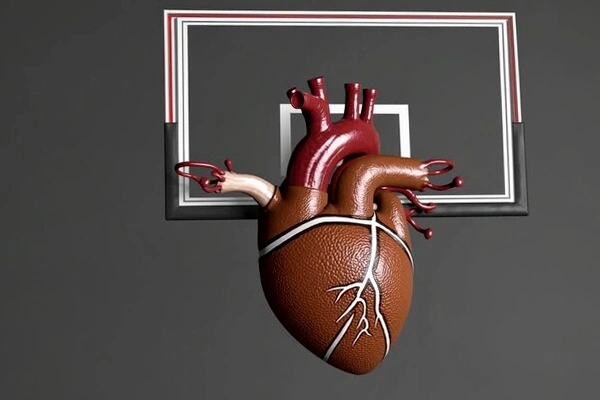
A healthy heart relies on a steady and coordinated heartbeat to pump blood efficiently throughout the body. When the heart beats too slowly, too quickly, or irregularly due to electrical conduction problems, it can cause fatigue, dizziness, fainting, breathlessness, and even life-threatening complications. At Cardiology Services, located at Dwarka, we provide advanced Pacemaker Implantation in Sector 19 Dwarka to help restore a normal heart rhythm and improve your quality of life.
Our experienced cardiology team specializes in diagnosing and treating heart rhythm disorders using modern pacemaker technology. We offer personalized treatment plans, advanced implantation techniques, and comprehensive follow-up care to ensure long-term heart health and patient safety.
What is Pacemaker Implantation?
A pacemaker is a small, battery-powered medical device implanted under the skin of the chest to regulate the heart's electrical activity. It sends gentle electrical impulses to the heart whenever it detects that the heartbeat is too slow or irregular, ensuring the heart beats at an appropriate rate.
Pacemaker Implantation is a minimally invasive procedure performed under local anesthesia. Thin insulated wires (leads) are guided through a vein into the heart and connected to the pacemaker device. Once implanted, the pacemaker continuously monitors the heart rhythm and delivers electrical signals only when needed.
Modern pacemakers are highly reliable, programmable, and designed to improve both heart function and overall quality of life.
Who Needs a Pacemaker?
Your cardiologist may recommend a pacemaker if you have:
- Slow Heart Rate (Bradycardia)
- Complete Heart Block
- Sick Sinus Syndrome
- Heart Rhythm Disorders (Arrhythmias)
- Fainting Episodes (Syncope) due to slow heartbeat
- Congenital Heart Conduction Disorders
- Heart Failure requiring Cardiac Resynchronization Therapy (CRT)
- Certain conditions following a heart attack or heart surgery
Conditions Treated with Pacemaker Implantation
Pacemakers are commonly used to manage:
- Bradycardia (Slow Heartbeat)
- Complete Heart Block
- Second-Degree Heart Block
- Sick Sinus Syndrome
- Symptomatic Arrhythmias
- Conduction System Disorders
- Certain Types of Heart Failure
- Congenital Electrical Heart Disorders
Symptoms That May Indicate the Need for a Pacemaker
You should consult a cardiologist if you experience:
- Frequent dizziness
- Fainting or blackouts
- Extreme fatigue
- Shortness of breath
- Slow pulse rate
- Irregular heartbeat
- Chest discomfort
- Difficulty performing daily activities
- Reduced exercise tolerance
Early evaluation helps prevent complications associated with untreated heart rhythm disorders.
How is Pacemaker Implantation Performed?
Pre-Procedure Evaluation
Before implantation, your cardiologist performs a detailed assessment, including ECG, Echocardiography, Holter Monitoring, blood tests, and other necessary cardiac investigations.
Local Anesthesia
The procedure is usually performed under local anesthesia with mild sedation to keep the patient comfortable.
Lead Placement
Thin pacing leads are inserted through a vein and carefully positioned inside the heart using real-time imaging guidance.
Pacemaker Placement
The pacemaker generator is placed beneath the skin, usually below the collarbone, and connected to the leads.
Device Programming
The pacemaker is programmed according to your heart's specific requirements to ensure optimal performance.
Observation & Recovery
After implantation, the device is tested thoroughly, and the patient is monitored before being discharged.
Benefits of Pacemaker Implantation
Choosing Pacemaker Implantation in Sector 19 Dwarka offers several benefits:
- Restores a normal heart rhythm
- Prevents slow heartbeats
- Reduces dizziness and fainting episodes
- Improves blood circulation
- Enhances exercise capacity
- Relieves fatigue and breathlessness
- Improves quality of life
- Minimally invasive procedure
- Quick recovery
- Long-term management of heart rhythm disorders
Recovery After Pacemaker Implantation
Most patients recover quickly after pacemaker implantation and are discharged within one or two days.
During recovery, patients should:
- Avoid lifting the affected arm above shoulder level for several weeks.
- Keep the incision site clean and dry.
- Avoid heavy lifting until advised by the cardiologist.
- Attend regular follow-up appointments.
- Carry a pacemaker identification card.
- Inform healthcare providers about the implanted device before medical procedures.
Most people return to their routine activities within a few weeks, depending on their overall health and recovery.
Living with a Pacemaker
A pacemaker allows most patients to lead an active and healthy lifestyle. Regular device checks ensure the pacemaker is functioning correctly and the battery remains in good condition.
To maintain heart health:
- Follow your medication schedule.
- Exercise as recommended by your cardiologist.
- Eat a heart-healthy diet.
- Avoid smoking and tobacco.
- Control blood pressure and diabetes.
- Attend scheduled pacemaker follow-ups.
- Report any unusual symptoms immediately.
Why Choose Cardiology Services in Sector 19 Dwarka?
At Cardiology Services, we provide comprehensive care for patients with heart rhythm disorders through advanced diagnostic facilities and modern pacemaker implantation techniques.
Why patients trust us:
- Experienced cardiology specialists
- Advanced pacemaker implantation procedures
- Personalized treatment plans
- Modern cardiac diagnostic technology
- Comprehensive pre- and post-procedure care
- Patient-focused approach
- Long-term pacemaker monitoring
- Convenient location in Sector 19, Dwarka
Our commitment is to restore normal heart rhythm safely while helping patients enjoy a healthier, more active life.
When Should You Seek Immediate Medical Care?
Seek urgent medical attention if you experience:
- Sudden fainting or loss of consciousness
- Persistent dizziness
- Severe shortness of breath
- Extremely slow heartbeat
- Chest pain
- Palpitations associated with weakness
- Swelling at the pacemaker site
- Signs of infection such as redness, fever, or discharge
Prompt evaluation can prevent serious complications.
Frequently Asked Questions (FAQs)
1. What is a pacemaker?
A pacemaker is a small electronic device implanted under the skin that helps regulate abnormal or slow heart rhythms.
2. Is pacemaker implantation a major surgery?
No. It is a minimally invasive procedure performed under local anesthesia with a relatively quick recovery.
3. How long does the procedure take?
Pacemaker implantation usually takes 1 to 2 hours, depending on the complexity of the case.
4. Will I feel the pacemaker working?
Most patients do not feel the electrical impulses. The pacemaker works automatically whenever needed.
5. How long does a pacemaker battery last?
Modern pacemaker batteries typically last 8 to 15 years, depending on the type of device and usage.
6. Can I live a normal life with a pacemaker?
Yes. Most patients return to normal daily activities and enjoy an active lifestyle after recovery.
7. Do I need regular follow-up after pacemaker implantation?
Yes. Regular follow-up visits are essential to check battery life, device settings, and overall heart function.
8. Where can I get Pacemaker Implantation in Sector 19 Dwarka?
Visit Cardiology Services, Flat No. 282, Akshardham Apartments, Pocket 3, Sector 19, Dwarka, for expert pacemaker implantation, advanced cardiac rhythm management, and comprehensive heart care.


