

AICD Implantation
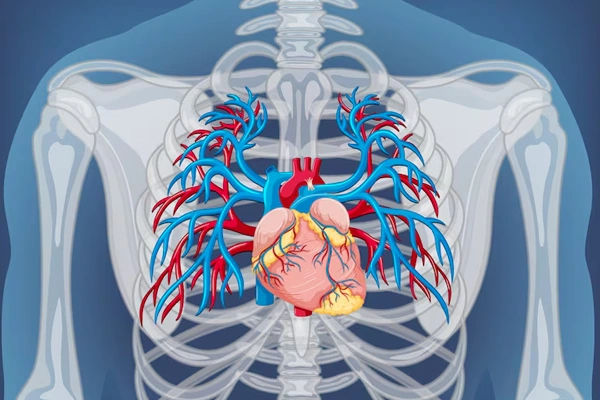
Life-threatening heart rhythm disorders can occur without warning and significantly increase the risk of sudden cardiac arrest. Timely diagnosis and advanced treatment are essential to protect heart health and improve survival. At Cardiology Services, located at , Dwarka, we offer advanced AICD Implantation in Sector 19 Dwarka for patients at risk of dangerous ventricular arrhythmias and sudden cardiac death. Our experienced cardiology team provides comprehensive evaluation, precise device implantation, and long-term follow-up to ensure optimal heart rhythm management.
An Automatic Implantable Cardioverter Defibrillator (AICD) is a sophisticated device that continuously monitors the heart's rhythm. If it detects a dangerously fast or abnormal heartbeat, it delivers electrical therapy to restore a normal rhythm, helping prevent sudden cardiac arrest.
What is AICD Implantation?
AICD Implantation is a minimally invasive procedure in which a small electronic device, called an Automatic Implantable Cardioverter Defibrillator, is placed beneath the skin, usually below the collarbone. One or more leads are guided through a vein into the heart, allowing the device to continuously monitor heart activity.
Unlike a standard pacemaker, an AICD not only treats slow heart rhythms but can also deliver rapid pacing or an electrical shock when it detects life-threatening ventricular tachycardia (VT) or ventricular fibrillation (VF). This immediate response can be lifesaving and significantly reduces the risk of sudden cardiac death.
Who Needs an AICD?
Your cardiologist may recommend AICD implantation if you have:
- History of Ventricular Tachycardia (VT)
- Ventricular Fibrillation (VF)
- Previous Sudden Cardiac Arrest
- Severe Heart Failure with reduced ejection fraction
- Dilated Cardiomyopathy
- Ischemic Cardiomyopathy
- Certain inherited heart rhythm disorders
- High risk of sudden cardiac death
- Recurrent dangerous ventricular arrhythmias
Conditions Treated with AICD
An AICD is commonly recommended for patients with:
- Ventricular Tachycardia (VT)
- Ventricular Fibrillation (VF)
- Sudden Cardiac Arrest Survivors
- Dilated Cardiomyopathy
- Ischemic Cardiomyopathy
- Heart Failure with Low Ejection Fraction
- Hypertrophic Cardiomyopathy (selected patients)
- Long QT Syndrome
- Brugada Syndrome
- Arrhythmogenic Right Ventricular Cardiomyopathy (ARVC)
Symptoms That Require Cardiac Evaluation
Seek a cardiology consultation if you experience:
- Recurrent fainting episodes
- Sudden loss of consciousness
- Rapid or irregular heartbeat
- Palpitations
- Chest discomfort
- Shortness of breath
- Unexplained dizziness
- Severe weakness after heart rhythm episodes
These symptoms may indicate serious rhythm disorders that require prompt evaluation.
How is AICD Implantation Performed?
Pre-Procedure Assessment
The cardiologist performs a comprehensive evaluation, including ECG, Echocardiography, Holter Monitoring, blood tests, cardiac imaging, and assessment of heart function.
Local Anesthesia
The procedure is performed under local anesthesia with mild sedation to ensure patient comfort.
Lead Placement
Specialized leads are inserted through a vein and positioned inside the heart using fluoroscopic guidance.
Device Implantation
The AICD generator is placed beneath the skin below the collarbone and connected to the leads.
Device Programming
The device is carefully programmed to detect abnormal rhythms and deliver the appropriate therapy when needed.
Post-Procedure Monitoring
After implantation, the device is tested, and patients are monitored before discharge to ensure proper functioning.
Benefits of AICD Implantation
Choosing AICD Implantation in Sector 19 Dwarka offers numerous benefits:
- Protects against sudden cardiac death
- Continuously monitors heart rhythm
- Automatically treats dangerous arrhythmias
- Improves long-term survival
- Reduces hospitalization due to rhythm disorders
- Minimally invasive procedure
- Quick recovery
- Improves confidence in daily life
- Supports long-term heart health
- Personalized device programming
Recovery After AICD Implantation
Recovery is generally smooth, and most patients are discharged within one or two days after the procedure.
During recovery:
- Keep the incision site clean and dry.
- Avoid lifting the affected arm above shoulder level for several weeks.
- Refrain from heavy lifting until advised.
- Attend regular follow-up appointments for device checks.
- Carry your AICD identification card at all times.
- Inform healthcare providers about your implanted device before undergoing medical procedures.
Most patients can gradually return to their daily routine after receiving clearance from their cardiologist.
Living with an AICD
Modern AICDs are reliable and designed to allow patients to live active and fulfilling lives. Routine follow-up visits help monitor battery life, lead function, and device settings.
To maintain good heart health:
- Take medications as prescribed.
- Follow a heart-healthy diet.
- Exercise according to your doctor's advice.
- Avoid smoking and tobacco use.
- Control blood pressure, diabetes, and cholesterol.
- Keep all scheduled follow-up appointments.
- Report any shocks or unusual symptoms immediately.
Why Choose Cardiology Services in Sector 19 Dwarka?
At Cardiology Services, we provide advanced cardiac rhythm management with a patient-first approach.
Why patients choose us:
- Experienced cardiology specialists
- Expertise in AICD implantation
- Modern cardiac diagnostic facilities
- Personalized treatment plans
- Comprehensive pre- and post-implant care
- Long-term device monitoring
- Evidence-based cardiac care
- Convenient location in Sector 19, Dwarka
Our focus is on delivering safe, effective, and compassionate care to help patients reduce the risk of sudden cardiac events and enjoy a better quality of life.
When Should You Seek Emergency Medical Attention?
Seek immediate medical care if you experience:
- Sudden collapse or loss of consciousness
- Severe chest pain
- Persistent palpitations
- Difficulty breathing
- Multiple AICD shocks in a short period
- Swelling, redness, or discharge at the implant site
- High fever after device implantation
Prompt treatment can prevent serious complications.
Frequently Asked Questions (FAQs)
1. What is an AICD?
An Automatic Implantable Cardioverter Defibrillator (AICD) is a small implanted device that detects and treats life-threatening abnormal heart rhythms by delivering electrical therapy when required.
2. How is an AICD different from a pacemaker?
A pacemaker mainly treats slow heart rhythms, while an AICD can also detect and correct dangerously fast heart rhythms by delivering pacing or a life-saving shock.
3. Is AICD implantation a major surgery?
No. It is a minimally invasive procedure performed under local anesthesia with a relatively short recovery period.
4. How long does the AICD procedure take?
The implantation typically takes 1 to 3 hours, depending on the patient's condition and the complexity of the procedure.
5. How long does an AICD battery last?
Most AICD batteries last 5 to 10 years, depending on usage and the number of therapies delivered.
6. Can I live normally with an AICD?
Yes. Most patients return to normal daily activities after recovery while following their cardiologist's recommendations.
7. Will I need regular follow-up after AICD implantation?
Yes. Regular device checks are essential to monitor battery status, lead function, and device programming.
8. Where can I get AICD Implantation in Sector 19 Dwarka?
Visit Cardiology Services, Flat No. 282, Akshardham Apartments, Pocket 3, Sector 19, Dwarka, for expert AICD implantation, advanced cardiac rhythm management, and comprehensive heart care.


