

Cardiac Catheterization
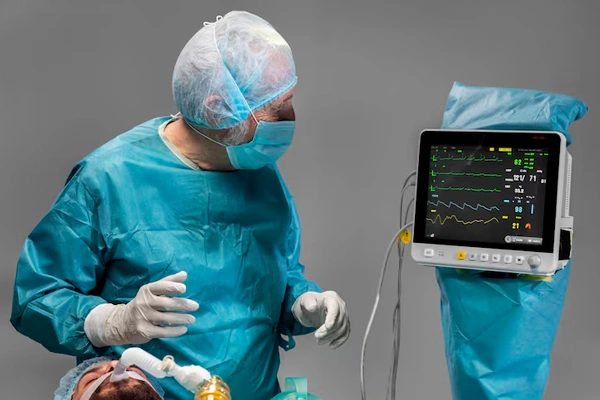
Heart diseases require precise diagnosis to ensure timely and effective treatment. At Cardiology Services, located at Dwarka, we offer advanced Cardiac Catheterization in Sector 19 Dwarka to diagnose and evaluate various heart conditions with accuracy. Our experienced cardiology team uses state-of-the-art technology and minimally invasive techniques to assess heart function, blood flow, and coronary arteries, helping patients receive the most appropriate treatment for their cardiovascular condition.
Cardiac catheterization is a widely performed procedure that allows cardiologists to examine the heart's chambers, valves, arteries, and blood vessels in detail. It plays a vital role in diagnosing coronary artery disease, congenital heart defects, valve disorders, and other cardiovascular problems while also guiding further treatments such as angioplasty or device implantation.
What is Cardiac Catheterization?
Cardiac Catheterization is a minimally invasive diagnostic procedure in which a thin, flexible tube called a catheter is inserted through a blood vessel in the wrist or groin and carefully guided to the heart. Through the catheter, the cardiologist can measure heart pressures, evaluate blood flow, inject contrast dye for imaging, and perform specialized diagnostic assessments.
In some cases, cardiac catheterization is also used as the first step before performing therapeutic procedures such as coronary angioplasty, stent placement, valve interventions, or closure of congenital heart defects.
Who Needs Cardiac Catheterization?
Your cardiologist may recommend cardiac catheterization if you have:
- Chest pain (Angina)
- Suspected Coronary Artery Disease
- Abnormal ECG or Stress Test
- Shortness of Breath
- Heart Valve Disorders
- Congenital Heart Disease
- Heart Failure
- Cardiomyopathy
- Pulmonary Hypertension
- Previous Heart Attack
- Unexplained Heart Symptoms
- Need for Pre-Surgical Heart Evaluation
Conditions Diagnosed Through Cardiac Catheterization
Cardiac catheterization helps diagnose and evaluate:
- Coronary Artery Disease
- Blocked or Narrowed Heart Arteries
- Heart Valve Disorders
- Congenital Heart Defects
- Cardiomyopathy
- Heart Failure
- Pulmonary Hypertension
- Structural Heart Disease
- Aortic Disorders
- Abnormal Heart Pressures
How is Cardiac Catheterization Performed?
Initial Consultation
The cardiologist reviews your medical history, symptoms, medications, and previous investigations to determine whether cardiac catheterization is appropriate.
Preparation
Routine blood tests, ECG, and other investigations are performed before the procedure. Patients are advised about fasting and medication adjustments if required.
Catheter Insertion
After administering local anesthesia, a catheter is inserted through the radial artery in the wrist or the femoral artery in the groin and guided to the heart using real-time imaging.
Diagnostic Evaluation
The cardiologist measures pressures inside the heart, evaluates blood flow, examines heart chambers and valves, and may inject contrast dye to obtain detailed images of the coronary arteries.
Completion & Recovery
Once the evaluation is complete, the catheter is removed, pressure is applied to the insertion site, and the patient is monitored before discharge.
Benefits of Cardiac Catheterization
Choosing Cardiac Catheterization in Sector 19 Dwarka offers several advantages:
- Accurate diagnosis of heart conditions
- Detailed assessment of coronary arteries
- Evaluation of heart valve function
- Measurement of heart chamber pressures
- Detection of congenital heart abnormalities
- Guidance for angioplasty or cardiac surgery
- Minimally invasive procedure
- Short recovery period
- Personalized treatment planning
- Improved long-term heart health
Recovery After Cardiac Catheterization
Most patients recover quickly and can return home the same day or after a short observation period, depending on the findings and overall health.
After the procedure:
- Drink plenty of fluids to flush out the contrast dye.
- Avoid strenuous activities for 24–48 hours.
- Keep the catheter insertion site clean and dry.
- Follow medication instructions carefully.
- Attend follow-up appointments as recommended.
Most people resume normal activities within a few days.
Risks and Safety
Cardiac catheterization is considered a safe procedure when performed by experienced cardiologists. Although complications are uncommon, minor risks may include:
- Bleeding at the catheter site
- Bruising
- Allergic reaction to contrast dye
- Temporary irregular heartbeat
- Rare vascular complications
Our team follows strict safety protocols and continuously monitors patients throughout the procedure to ensure maximum safety and comfort.
Why Choose Cardiology Services in Sector 19 Dwarka?
At Cardiology Services, we provide comprehensive diagnostic and interventional cardiac care using modern technology and evidence-based practices.
Why patients trust us:
- Experienced cardiology specialists
- Advanced cardiac catheterization techniques
- Modern diagnostic facilities
- Personalized treatment plans
- Patient-focused care
- Safe, minimally invasive procedures
- Comprehensive follow-up care
- Convenient location in Sector 19, Dwarka
Our commitment is to provide accurate diagnosis, timely intervention, and compassionate care for every patient.
Tips for Maintaining a Healthy Heart
Reduce your risk of heart disease by following these healthy habits:
- Eat a balanced, low-fat diet.
- Exercise regularly.
- Maintain a healthy body weight.
- Avoid smoking and tobacco.
- Control blood pressure and cholesterol.
- Manage diabetes effectively.
- Reduce stress through relaxation techniques.
- Get adequate sleep.
- Take medications as prescribed.
- Schedule regular cardiac check-ups.
Frequently Asked Questions (FAQs)
1. What is cardiac catheterization?
Cardiac catheterization is a minimally invasive procedure used to examine the heart, coronary arteries, valves, and blood vessels for accurate diagnosis of cardiovascular diseases.
2. Is cardiac catheterization painful?
No. The procedure is performed under local anesthesia, and most patients experience only mild pressure at the catheter insertion site.
3. How long does cardiac catheterization take?
The procedure usually takes 30 to 60 minutes, depending on the complexity of the evaluation.
4. Is hospitalization required after cardiac catheterization?
Many patients go home the same day, while some may stay overnight for observation based on their condition.
5. What is the difference between cardiac catheterization and coronary angiography?
Cardiac catheterization is the overall procedure used to evaluate the heart, while coronary angiography is one diagnostic test performed during catheterization to visualize the coronary arteries.
6. Can treatment be performed during cardiac catheterization?
Yes. If significant blockages are detected, procedures such as coronary angioplasty and stent placement may sometimes be performed during the same session.
7. How long is the recovery after cardiac catheterization?
Most patients recover within 24–48 hours and can resume normal activities as advised by their cardiologist.
8. Where can I get Cardiac Catheterization in Sector 19 Dwarka?
Visit Cardiology Services, Flat No. 282, Akshardham Apartments, Pocket 3, Sector 19, Dwarka, for expert cardiac catheterization, advanced heart diagnostics, and comprehensive cardiovascular care.


