

Heart Failure Management
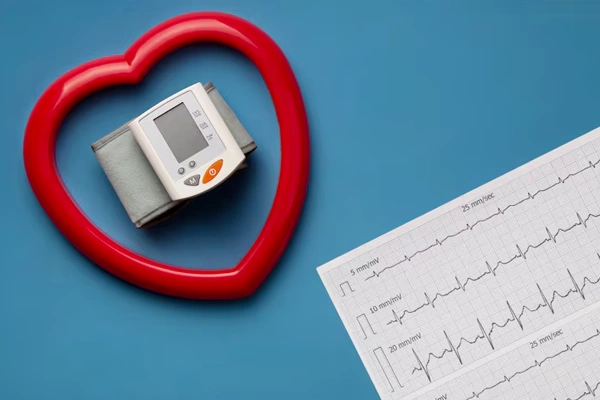
Heart failure is a serious but manageable condition that occurs when the heart cannot pump blood efficiently to meet the body's needs. Early diagnosis, appropriate treatment, and regular monitoring can significantly improve quality of life and reduce the risk of hospitalization. At Cardiology Services, located at Dwarka, we provide comprehensive Heart Failure Management in Sector 19 Dwarka using advanced diagnostic tools, evidence-based treatments, and personalized care plans.
Our experienced cardiology team focuses on identifying the underlying cause of heart failure, controlling symptoms, improving heart function, and helping patients lead healthier, more active lives. Whether you have newly diagnosed heart failure or require ongoing management for a chronic condition, we are committed to providing compassionate and comprehensive cardiac care.
What is Heart Failure?
Heart failure is a chronic condition in which the heart is unable to pump enough blood to supply oxygen and nutrients to the body's organs. It does not mean that the heart has stopped working; rather, it means the heart's pumping ability has weakened or become less efficient.
Heart failure can affect the left side, right side, or both sides of the heart and may develop gradually or suddenly. With proper treatment and lifestyle changes, many patients can effectively manage the condition and enjoy a good quality of life.
Causes of Heart Failure
Heart failure may result from several underlying heart conditions, including:
- Coronary Artery Disease
- Previous Heart Attack
- High Blood Pressure (Hypertension)
- Cardiomyopathy
- Heart Valve Disease
- Congenital Heart Defects
- Arrhythmias
- Diabetes
- Obesity
- Chronic Kidney Disease
Identifying and treating the underlying cause is an important part of successful heart failure management.
Symptoms of Heart Failure
Common symptoms include:
- Shortness of breath during activity or while lying down
- Persistent fatigue and weakness
- Swelling of the feet, ankles, or legs
- Rapid weight gain due to fluid retention
- Persistent cough or wheezing
- Difficulty exercising
- Irregular or rapid heartbeat
- Reduced appetite
- Frequent nighttime urination
- Difficulty concentrating
If you experience these symptoms, consult a cardiologist promptly for evaluation.
How We Diagnose Heart Failure
At Cardiology Services, we perform a comprehensive evaluation to determine the severity and cause of heart failure.
Diagnostic tests may include:
- Electrocardiogram (ECG)
- 2D Echocardiography (Echo)
- Chest X-ray
- Blood Tests
- Cardiac Biomarkers
- Holter Monitoring
- Treadmill Test (when appropriate)
- Cardiac Catheterization
- Coronary Angiography (if required)
These investigations help assess heart function, pumping capacity, and any associated cardiovascular conditions.
Heart Failure Management Services
Our personalized treatment approach may include:
Medication Management
We prescribe evidence-based medications to improve heart function, control symptoms, reduce fluid retention, and lower the risk of hospitalization.
Lifestyle Modification
Patients receive guidance on maintaining a heart-healthy diet, limiting salt intake, exercising safely, managing stress, and achieving a healthy weight.
Blood Pressure & Diabetes Control
Proper management of hypertension and diabetes is essential to slow the progression of heart failure.
Cardiac Device Therapy
For selected patients, treatments such as Pacemaker Implantation, Cardiac Resynchronization Therapy (CRT), or AICD Implantation may be recommended to improve heart rhythm and pumping efficiency.
Advanced Cardiac Procedures
If coronary artery disease is contributing to heart failure, procedures such as Coronary Angioplasty (PCI) or other interventional treatments may be advised.
Regular Follow-up
Continuous monitoring helps evaluate treatment response, adjust medications, and prevent complications.
Benefits of Early Heart Failure Management
Choosing Heart Failure Management in Sector 19 Dwarka offers numerous benefits:
- Better control of symptoms
- Improved heart function
- Reduced hospital admissions
- Lower risk of disease progression
- Enhanced quality of life
- Improved exercise tolerance
- Better fluid balance
- Personalized long-term treatment
- Prevention of complications
- Increased life expectancy with appropriate care
Lifestyle Tips for Managing Heart Failure
Healthy lifestyle changes play an important role in controlling heart failure.
- Limit salt intake.
- Follow a heart-healthy diet.
- Take medications exactly as prescribed.
- Exercise regularly under medical supervision.
- Maintain a healthy body weight.
- Monitor your weight daily.
- Quit smoking and avoid tobacco.
- Limit alcohol consumption.
- Manage stress effectively.
- Keep all follow-up appointments.
Why Choose Cardiology Services in Sector 19 Dwarka?
Patients trust Cardiology Services because we provide comprehensive and patient-centered heart failure care.
Our clinic offers:
- Experienced cardiology specialists
- Advanced cardiac diagnostic facilities
- Personalized treatment plans
- Comprehensive medication management
- Modern interventional cardiology services
- Long-term follow-up care
- Evidence-based treatment protocols
- Convenient location in Sector 19, Dwarka
We are dedicated to helping patients manage heart failure effectively while improving their overall health and quality of life.
When Should You Seek Immediate Medical Attention?
Seek emergency medical care if you experience:
- Severe shortness of breath
- Chest pain
- Sudden swelling of the legs or abdomen
- Rapid weight gain over a short period
- Persistent coughing with pink frothy sputum
- Fainting or loss of consciousness
- Rapid or irregular heartbeat with dizziness
- Extreme fatigue or confusion
Prompt medical attention can prevent life-threatening complications.
Frequently Asked Questions (FAQs)
1. What is heart failure?
Heart failure is a condition in which the heart cannot pump blood efficiently, leading to symptoms such as breathlessness, fatigue, and swelling.
2. Can heart failure be cured?
While many cases cannot be completely cured, heart failure can often be effectively managed with medications, lifestyle changes, and advanced cardiac treatments.
3. What tests are used to diagnose heart failure?
Diagnosis may include ECG, Echocardiography, blood tests, Chest X-ray, Holter Monitoring, Cardiac Catheterization, and Coronary Angiography when necessary.
4. What lifestyle changes help manage heart failure?
Following a low-salt diet, exercising regularly, maintaining a healthy weight, quitting smoking, controlling blood pressure and diabetes, and taking medications as prescribed are essential.
5. Can heart failure worsen over time?
Yes. Without proper treatment and regular follow-up, heart failure can progress and lead to serious complications.
6. When is a pacemaker or AICD recommended?
These devices may be recommended for selected patients with heart failure and abnormal heart rhythms or reduced heart function.
7. How often should heart failure patients see a cardiologist?
Regular follow-up visits are important and will depend on the severity of the condition and your treatment plan.
8. Where can I get expert Heart Failure Management in Sector 19 Dwarka?
Visit Cardiology Services, Flat No. 282, Akshardham Apartments, Pocket 3, Sector 19, Dwarka, for comprehensive heart failure evaluation, advanced treatment, and long-term cardiac care.


