
Structural Heart Interventions
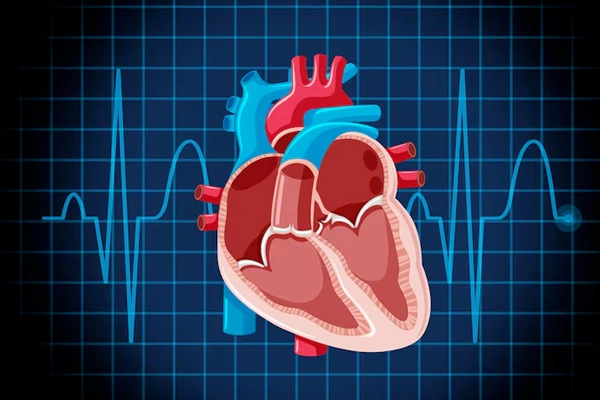
Structural heart diseases affect the heart's valves, chambers, walls, and major blood vessels, often leading to symptoms such as breathlessness, chest pain, fatigue, dizziness, or heart failure. Many of these conditions can now be treated using minimally invasive procedures, eliminating the need for traditional open-heart surgery in selected patients. At Cardiology Services, located at Dwarka, we provide advanced Structural Heart Interventions in Sector 19 Dwarka using modern technology and evidence-based treatment approaches.
Our experienced cardiology team specializes in evaluating and managing structural heart conditions with precision, offering personalized treatment plans that improve heart function, reduce symptoms, and enhance long-term quality of life.
What are Structural Heart Interventions?
Structural Heart Interventions are minimally invasive catheter-based procedures used to diagnose and treat abnormalities involving the heart's valves, chambers, septum (heart walls), and surrounding structures. These procedures are performed through a small catheter inserted into a blood vessel, usually in the wrist or groin, avoiding the need for large surgical incisions in many cases.
Structural heart interventions are recommended for patients with severe valve disease, congenital heart defects, or other structural abnormalities that interfere with normal heart function. They provide effective treatment with shorter hospital stays, less discomfort, and faster recovery compared to conventional surgery in appropriate patients.
Who Needs Structural Heart Interventions?
Your cardiologist may recommend structural heart interventions if you have:
- Aortic Valve Stenosis
- Mitral Valve Regurgitation
- Mitral Valve Stenosis
- Tricuspid Valve Disease
- Atrial Septal Defect (ASD)
- Patent Foramen Ovale (PFO)
- Ventricular Septal Defect (VSD)
- Congenital Heart Defects
- Left Atrial Appendage Disorders
- Structural abnormalities causing heart failure
A detailed cardiac evaluation helps determine whether a minimally invasive intervention is the most suitable treatment option.
Conditions Treated with Structural Heart Interventions
Our structural heart program helps manage:
- Aortic Stenosis
- Mitral Regurgitation
- Mitral Stenosis
- Tricuspid Valve Disease
- Atrial Septal Defect (ASD)
- Ventricular Septal Defect (VSD)
- Patent Foramen Ovale (PFO)
- Congenital Heart Disease
- Structural Heart Defects
- Selected Heart Failure Conditions
Types of Structural Heart Procedures
Depending on your diagnosis, treatment may include:
Transcatheter Aortic Valve Replacement (TAVR)
A minimally invasive procedure to replace a narrowed aortic valve without open-heart surgery.
Mitral Valve Repair or Replacement
Catheter-based procedures to repair or replace damaged mitral valves in suitable patients.
ASD & PFO Device Closure
Closure devices are used to seal abnormal openings between the heart chambers, reducing the risk of complications such as stroke.
Balloon Valvotomy
A balloon catheter is used to widen narrowed heart valves and improve blood flow.
Left Atrial Appendage Closure
A minimally invasive procedure performed in selected patients with atrial fibrillation to reduce the risk of stroke.
How are Structural Heart Interventions Performed?
Comprehensive Evaluation
Our cardiologist performs a detailed assessment, including ECG, Echocardiography, CT scans, cardiac catheterization, and other imaging studies to evaluate the heart's structure.
Procedure Planning
Based on the diagnosis, a personalized treatment plan is created to determine the most appropriate catheter-based intervention.
Catheter-Based Procedure
The procedure is performed through a small incision in the wrist or groin under local anesthesia or conscious sedation. Specialized catheters and imaging guidance allow precise placement of valves or closure devices.
Post-Procedure Monitoring
Patients are observed closely after the procedure, and most recover quickly with a shorter hospital stay compared to open-heart surgery.
Benefits of Structural Heart Interventions
Choosing Structural Heart Interventions in Sector 19 Dwarka offers several advantages:
- Minimally invasive treatment
- No large surgical incision in selected cases
- Faster recovery
- Shorter hospital stay
- Less pain and discomfort
- Reduced blood loss
- Improved heart function
- Better quality of life
- Lower risk of complications in appropriate patients
- Personalized treatment approach
Recovery After Structural Heart Procedures
Recovery varies depending on the type of intervention, but most patients experience faster healing than with conventional heart surgery.
During recovery:
- Follow medication instructions carefully.
- Attend regular follow-up appointments.
- Gradually return to normal activities as advised.
- Follow a heart-healthy diet.
- Control blood pressure, diabetes, and cholesterol.
- Participate in cardiac rehabilitation if recommended.
Regular monitoring helps ensure long-term success of the procedure.
Why Choose Cardiology Services in Sector 19 Dwarka?
At Cardiology Services, we provide comprehensive evaluation and advanced treatment for structural heart diseases using modern interventional cardiology techniques.
Why patients choose us:
- Experienced interventional cardiology specialists
- Advanced structural heart evaluation
- Personalized treatment planning
- Modern cardiac imaging and diagnostic facilities
- Minimally invasive procedures
- Comprehensive follow-up care
- Patient-centered approach
- Convenient location in Sector 19, Dwarka
Our commitment is to provide safe, effective, and compassionate cardiac care that improves both heart function and overall quality of life.
Tips for Maintaining Heart Health After Treatment
To support long-term heart health:
- Take medications as prescribed.
- Eat a balanced, heart-friendly diet.
- Exercise regularly with medical guidance.
- Maintain a healthy weight.
- Avoid smoking and tobacco.
- Manage blood pressure and diabetes.
- Limit alcohol consumption.
- Reduce stress.
- Attend regular cardiac check-ups.
- Report new symptoms promptly.
Frequently Asked Questions (FAQs)
1. What are structural heart interventions?
Structural heart interventions are minimally invasive catheter-based procedures used to treat abnormalities of the heart valves, chambers, and congenital defects.
2. Are structural heart interventions safer than open-heart surgery?
For selected patients, these procedures offer a less invasive alternative with shorter recovery, reduced pain, and shorter hospital stays. Your cardiologist will determine the best treatment option.
3. What conditions can be treated with structural heart interventions?
They can treat valve diseases, atrial septal defects (ASD), patent foramen ovale (PFO), ventricular septal defects (VSD), and certain congenital heart conditions.
4. Is hospitalization required?
Yes, but many patients have shorter hospital stays compared to traditional open-heart surgery, depending on the procedure performed.
5. How long does recovery take?
Most patients recover within a few days to a few weeks, depending on the type of structural heart intervention and their overall health.
6. Will I need regular follow-up after the procedure?
Yes. Regular follow-up visits and imaging tests help monitor heart function and ensure the long-term success of the treatment.
7. Are these procedures suitable for elderly patients?
Many minimally invasive structural heart interventions are specifically designed for elderly or high-risk patients who may not be suitable candidates for open-heart surgery.
8. Where can I get Structural Heart Interventions in Sector 19 Dwarka?
Visit Cardiology Services, Flat No. 282, Akshardham Apartments, Pocket 3, Sector 19, Dwarka, for expert evaluation, advanced structural heart interventions, and comprehensive cardiovascular care.


